Complete Guide to Online Gaming Payment Methods in Canada 2026: From Traditional Banking to Digital Currencies
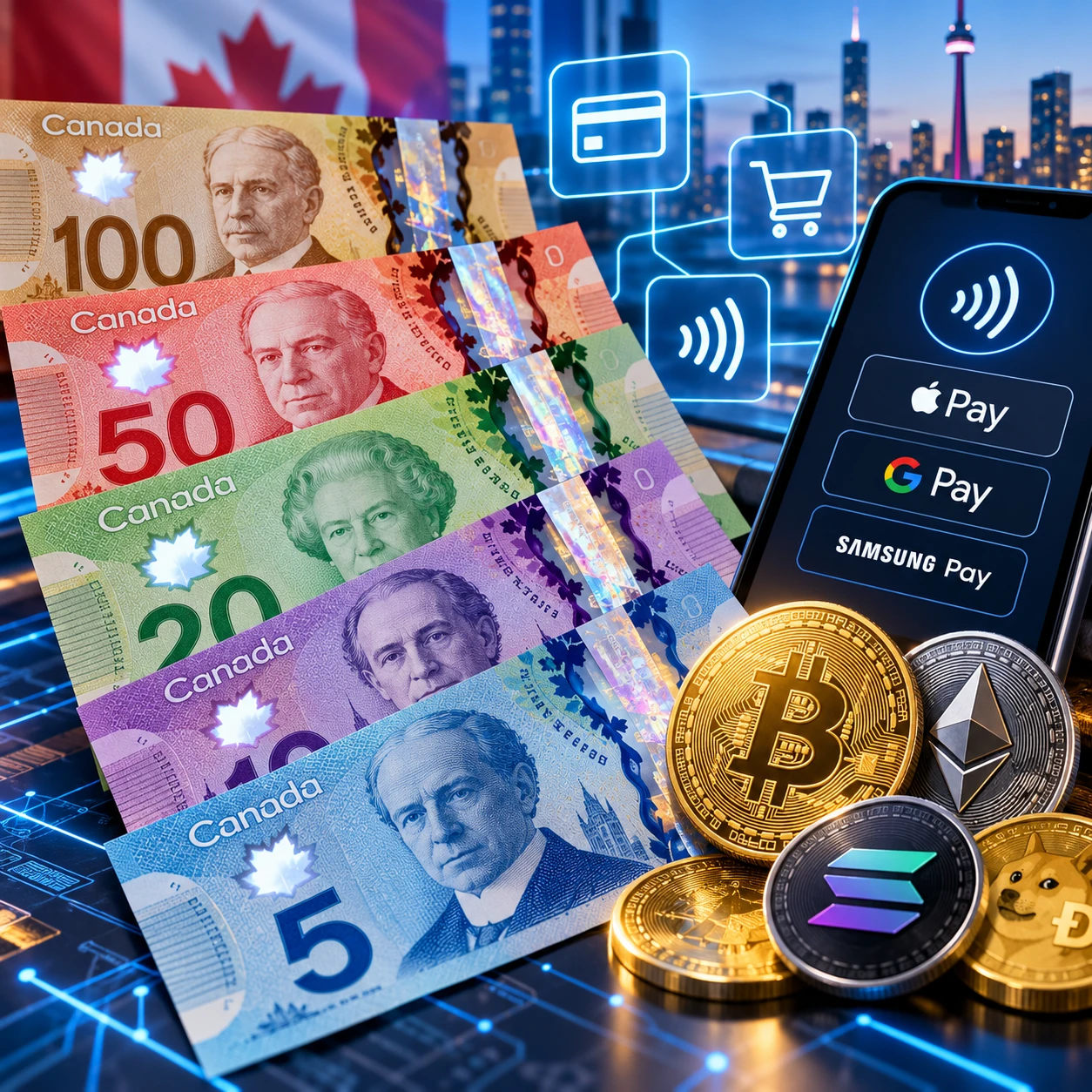
As someone who's been navigating the Canadian online gaming landscape for years, I've witnessed firsthand how payment methods have evolved from simple credit card transactions to a sophisticated ecosystem of digital solutions. In 2026, Canadian players have more payment options than ever before, each with unique advantages that cater to different priorities—whether that's speed, security, privacy, or convenience. Choosing the right payment method isn't just about getting money into your gaming account; it's about protecting your financial information, minimizing fees, and ensuring you can access your winnings quickly when luck is on your side.
The Canadian regulatory environment has matured significantly, creating a safer and more transparent framework for online gaming payments. Understanding your options has become crucial, not just for security but also for optimizing your entire gaming experience. I've tested virtually every payment method available to Canadian players, and I'm here to share what I've learned about each approach, from traditional banking solutions to cutting-edge cryptocurrency options.
Understanding Online Gaming Payments in Canada
The payment method you choose for online gaming affects every aspect of your experience. I've learned this through years of trial and error—there's nothing more frustrating than waiting days for a withdrawal when you need funds quickly, or discovering hidden fees eating into your winnings. In 2026, the Canadian online gaming payment landscape has become increasingly diverse, reflecting both technological advancement and evolving player preferences.
Security remains the paramount concern. Canadian financial institutions and gaming platforms have implemented robust encryption protocols and two-factor authentication systems that protect our transactions. However, not all payment methods offer the same level of security or the same processing speeds. Some prioritize instant deposits but take longer for withdrawals, while others excel at privacy but may have higher fees.
The regulatory framework in Canada has also shaped which payment methods are readily available. Canadian banks have varying policies regarding gaming transactions, and understanding these nuances helps you avoid declined payments or frozen accounts. I always recommend familiarizing yourself with your bank's specific policies before choosing a payment method.
Traditional Banking Methods for Online Gaming
Despite the rise of digital alternatives, traditional banking methods remain the backbone of online gaming payments in Canada. These familiar options offer the comfort of established financial institutions and the security that comes with banking regulations we've trusted for decades.
Credit and Debit Cards
Visa and Mastercard continue to dominate the Canadian online gaming payment space in 2026. I use my credit card for most deposits because the process is instantaneous—funds appear in my gaming account within seconds. The convenience is unmatched: you simply enter your card details once, and many platforms securely store them for future transactions.
However, I've encountered situations where Canadian banks block gambling-related transactions as a protective measure. This happened to me twice before I contacted my bank to authorize these payments. Some financial institutions categorize gaming transactions as high-risk, which can trigger automatic declines. If you plan to use credit or debit cards, I suggest calling your bank beforehand to ensure smooth transactions.
Debit cards linked to your Canadian bank account offer similar convenience but with the added benefit of spending only what you actually have—a built-in budgeting tool that helps maintain responsible gaming habits. Processing times for withdrawals to debit cards typically range from 3-5 business days, which is something to consider if you need quick access to your winnings.
Interac e-Transfer and Online Banking
Interac e-Transfer has become uniquely popular among Canadian online gamers, and for good reason. This made-in-Canada solution allows direct transfers from your bank account to gaming platforms without sharing card details. I appreciate the added security layer—the platform never sees my actual banking information.
The typical processing time for Interac e-Transfers is 24-48 hours for deposits, which isn't as instant as credit cards but offers superior security. Withdrawals can take slightly longer, usually 2-4 business days. The fees are generally minimal, often just a dollar or two per transaction, though this varies by your banking institution.
Direct bank transfers through online banking portals provide another traditional option. These tend to be slower—sometimes taking 3-7 business days—but they're ideal for larger transactions where you're not in a rush. I use this method when moving significant amounts because the transaction limits are typically higher than other options.
E-Wallets and Digital Payment Platforms
E-wallets have transformed how I manage my online gaming payments. These intermediary platforms—including PayPal, Skrill, Neteller, and MuchBetter—create a buffer between your bank account and gaming platforms, offering an additional privacy layer that I find reassuring.
PayPal, while widely recognized, has limited availability on gaming platforms due to their own policies regarding gambling transactions. However, where it's accepted, it offers instant deposits and relatively fast withdrawals (24-48 hours). Skrill and Neteller, on the other hand, have positioned themselves specifically within the gaming industry. I've been using Neteller for three years now, and the withdrawal speeds consistently impress me—often processing within 24 hours.
The fee structures for e-wallets vary considerably. Deposits are typically free, but withdrawals may incur charges ranging from 1-3% of the transaction amount. Currency conversion fees can add up if you're playing on international platforms, so I always check whether the platform supports Canadian dollars natively.
MuchBetter has emerged as a mobile-first solution that I've found particularly convenient. The app-based approach with biometric security feels modern and secure. It's gained traction among Canadian players who prioritize smartphone convenience and want to avoid entering card details repeatedly.
Cryptocurrency and Digital Currency Options
Cryptocurrency has revolutionized online gaming payments, and in 2026, it's no longer a niche option—it's mainstream. I started using Bitcoin for gaming transactions two years ago, and the experience has been transformative. The speed, privacy, and control that crypto offers simply can't be matched by traditional banking methods.
Bitcoin remains the most widely accepted cryptocurrency on gaming platforms, but Ethereum, Litecoin, Bitcoin Cash, and even newer options like USDT (Tether) have gained significant ground. Each cryptocurrency has its own characteristics: Bitcoin offers maximum acceptance but can have higher transaction fees during network congestion; Litecoin provides faster confirmation times; Ethereum supports smart contracts that enable innovative gaming features.
Canadian players interested in exploring cryptocurrency gaming options can find detailed information here, where platforms specifically catering to crypto enthusiasts are thoroughly reviewed. The growth of crypto-friendly gaming platforms has been remarkable, reflecting the increasing demand from players who value the unique benefits that digital currencies provide.
Benefits of Crypto Payments for Gaming
The anonymity offered by cryptocurrency is perhaps its most appealing feature. While transactions are recorded on public blockchains, they're not directly tied to your personal identity the way credit card payments are. For privacy-conscious Canadian players, this is invaluable. I appreciate not having gaming transactions appear on my bank statements or credit card bills.
Transaction speed with cryptocurrency is phenomenal. Deposits typically confirm within minutes—sometimes even seconds, depending on the blockchain and network conditions. Withdrawals are equally impressive, often processing within an hour compared to the days required for traditional banking methods. I've received Bitcoin withdrawals in as little as 15 minutes, which feels almost magical compared to waiting a week for a bank transfer.
Fees for crypto transactions are generally lower than traditional payment methods, especially for larger amounts. While the blockchain network charges a small fee (which fluctuates based on network congestion), there are no intermediary banks taking their cut. For someone who makes frequent transactions, these savings accumulate significantly over time.
The elimination of chargebacks protects both players and platforms. Unlike credit card payments, which can be reversed, cryptocurrency transactions are final once confirmed. This finality has allowed some platforms to offer better bonuses and promotions to crypto users, which I've personally benefited from multiple times.
How to Get Started with Crypto Gaming Payments
Getting started with cryptocurrency might seem daunting, but I've walked dozens of friends through the process, and it's more straightforward than you might think. The first step is selecting and setting up a cryptocurrency wallet. I recommend starting with a reputable software wallet like Exodus or a hardware wallet like Ledger if you plan to hold larger amounts.
Purchasing cryptocurrency in Canada has become remarkably easy. Canadian exchanges like Bitbuy, NDAX, and Wealthsimple Crypto allow you to buy Bitcoin, Ethereum, and other cryptocurrencies using Interac e-Transfer or direct bank connections. I typically use Bitbuy because of its user-friendly interface and competitive fees. The verification process requires ID submission, which usually takes 24 hours.
Once you have cryptocurrency in your wallet, making your first gaming deposit is simple. The gaming platform will provide a unique wallet address—think of it like an email address for cryptocurrency. You copy this address into your wallet app, specify the amount you want to send, confirm the transaction, and wait for blockchain confirmation. Most platforms credit your account after just a few confirmations, which typically takes 10-30 minutes for Bitcoin.
I always recommend starting with a small test transaction to familiarize yourself with the process before moving larger amounts. Double-checking wallet addresses is crucial—cryptocurrency transactions can't be reversed if you send to the wrong address.
Prepaid Cards and Vouchers
Prepaid options like Paysafecard offer a completely different approach to online gaming payments, one that prioritizes anonymity and budget control. I occasionally use Paysafecard when I want to set a strict gaming budget without any temptation to exceed it.
Paysafecard works by purchasing a voucher with a 16-digit PIN from retail locations across Canada—convenience stores, gas stations, and various retailers. You then enter this PIN on the gaming platform to deposit funds. No bank account, no credit card, no personal financial information shared with the platform. It's as close to using cash online as you can get.
The downside is that prepaid methods typically only work for deposits, not withdrawals. You'll need an alternative method to cash out your winnings. The fees can also be higher—usually around 5-10% depending on where you purchase the voucher. Transaction limits are generally lower, with individual vouchers capped at $250-$500, though you can combine multiple PINs for larger deposits.
Prepaid Visa and Mastercard options function similarly to regular cards but are loaded with a predetermined amount. These offer slightly more flexibility than vouchers because some platforms accept them for withdrawals, though this isn't universal. I find these useful for maintaining strict budgetary discipline while still enjoying the convenience of card payments.
Comparing Payment Methods: Speed, Fees, and Security
After years of using virtually every payment method available to Canadian players, I've developed a clear understanding of how they compare across the factors that matter most. Deposit speed varies dramatically: credit cards and cryptocurrencies offer instant deposits, e-wallets process within minutes to hours, while bank transfers can take 3-7 business days. For withdrawal speed, cryptocurrency leads with processing times of minutes to hours, followed by e-wallets at 24-48 hours, then cards at 3-5 days, with bank transfers trailing at 5-7 days.
Fee structures tell an interesting story. Credit and debit cards typically have no deposit fees, but withdrawal fees range from 2-5% or fixed amounts around $5-10. E-wallets usually offer free deposits but charge 1-3% for withdrawals plus potential currency conversion fees. Cryptocurrency has minimal network fees (typically $1-5 for Bitcoin, less for other coins) for both deposits and withdrawals. Traditional bank transfers often incur $15-30 in processing fees, making them expensive for smaller transactions.
Security levels are generally high across all methods in 2026, but they function differently. Bank-issued payment methods (cards, transfers) offer consumer protection and chargeback options—a safety net that's reassuring but can complicate disputes. E-wallets provide an additional security layer by keeping your banking details separate from gaming platforms. Cryptocurrency offers pseudonymous security through blockchain technology, though the responsibility for wallet security rests entirely with you.
Anonymity considerations vary significantly. Prepaid vouchers offer maximum anonymity, cryptocurrency provides pseudonymous transactions, e-wallets create some distance from direct banking records, while credit cards and bank transfers are fully traceable and appear on financial statements. Your privacy preferences should guide your choice here.
Choosing the Right Payment Method for Your Gaming Needs
Selecting the optimal payment method requires honest assessment of your priorities. I've found that different situations call for different solutions, and many experienced players—myself included—use multiple methods depending on circumstances.
If speed is your primary concern, cryptocurrency and credit cards are your best options. I use Bitcoin when I want to access my winnings quickly—the ability to withdraw funds and have them in my wallet within an hour is unbeatable. For deposits, credit cards remain hard to beat for instant access, though crypto runs a close second.
For players prioritizing security and consumer protection, traditional banking methods and e-wallets offer the most robust safeguards. The ability to dispute transactions and the regulatory oversight of Canadian financial institutions provides peace of mind that cryptocurrency's irreversible transactions cannot match.
Privacy-conscious players should lean toward cryptocurrency or prepaid vouchers. If you prefer that gaming transactions don't appear on bank or credit card statements, these methods are specifically designed for discretion. I use cryptocurrency for this exact reason—my financial privacy matters to me.
Budget management is another crucial consideration. Prepaid cards and vouchers force discipline by limiting your spending to predetermined amounts. E-wallets can serve a similar function by separating your gaming funds from your main bank account. I maintain a dedicated Neteller account funded with my monthly entertainment budget, which prevents any temptation to overspend.
Transaction limits matter, especially for high-stakes players. Cryptocurrency and bank transfers typically support the largest transactions, while prepaid methods have lower limits. Check the specific limits on your chosen platform, as these vary considerably.
Tax implications for Canadian residents deserve attention. Gaming winnings in Canada are generally not taxed if gaming is a recreational activity rather than a profession. However, keeping clear records of deposits and withdrawals helps if you ever need to demonstrate the source of funds. Payment methods that provide detailed transaction histories—like e-wallets and bank transfers—make this documentation easier.
Platform compatibility is practical reality you can't ignore. Not every gaming platform accepts every payment method. Before committing to a particular payment approach, verify that your preferred platforms support it. I've been frustrated more than once by discovering a great platform that didn't accept my preferred payment method.
My personal approach in 2026 is multi-method: I use credit cards for quick deposits when I want immediate access, cryptocurrency for larger withdrawals where speed and fees matter, and maintain an e-wallet for platforms that offer the best selection of games. This flexibility has served me well, allowing me to optimize for different scenarios rather than being locked into a single solution. The Canadian online gaming payment landscape is rich with options—understanding each method's strengths allows you to navigate it successfully and enhance your overall gaming experience.